
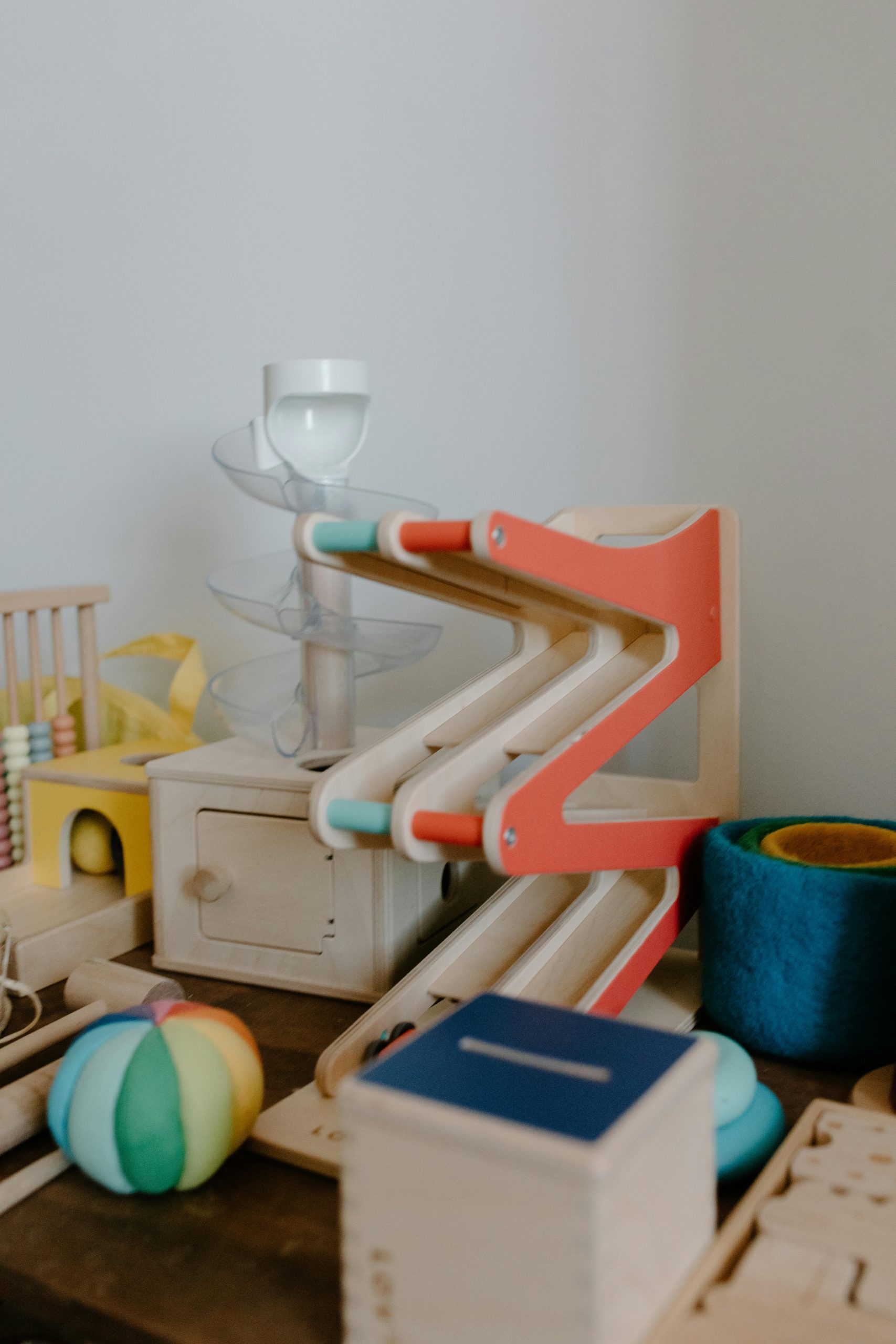
Montessori toys have become a favorite among parents and educators seeking tools that foster curiosity, independence, and practical skills in young children. Rooted in the educational principles developed by Maria Montessori, these toys encourage natural exploration and learning, prioritizing simplicity over flashy features. As awareness of child development grows, more families are drawn to Montessori-inspired playthings for their timeless designs and lasting developmental benefits.
Why choose Montessori toys?
Parents often wonder what sets Montessori toys apart from other educational toys. The answer lies in their deliberate simplicity and focus on encouraging active participation rather than passive entertainment. These toys support children’s growing independence and help them gain confidence through repeated practice.
Also to see : Exploring the Transformation of Women’s Tailoring in the UK: Essential Insights and Milestones
By fostering an environment rich in hands-on learning, Montessori toys enable children to engage with real tasks at their own pace. Even simple objects such as wooden puzzles, stacking rings, or sorting trays can be powerful tools for building fundamental skills without overwhelming the senses.
Key characteristics of Montessori toys
Toys labeled as “Montessori” share several qualities that distinguish them from conventional playthings. Their construction and purpose are aimed directly at enhancing child development across cognitive, physical, and emotional dimensions. For families looking to incorporate quality educational resources into their daily lives, the Montessori Shop offers a wide selection tailored to every stage of early childhood.
Also read : Ultimate Guide to Flawlessly Styling Synthetic Wigs for an Unforgettable London Night Out
Natural materials and sensory experience
Wooden toys are a staple in most Montessori environments, valued for their durability, tactile feel, and safety. Compared to plastic alternatives, these toys provide a richer sensory experience, which is critical for brain growth in early childhood.
Sensory materials, such as textured blocks and smooth bowls, prompt children to touch, explore, and compare—building neural connections while maintaining interest. This tactile diversity encourages fine motor skills and helps establish concepts like roughness, smoothness, warmth, or weight.
Encouragement of independence and practical life activities
Many Montessori toys mimic adult objects or real-life tools to promote autonomy through practical life activities. Examples include child-sized brooms, pouring pitchers, and dressing frames. Tasks like pouring water, scooping grains, or tying knots teach coordination while instilling a sense of accomplishment.
This emphasis on authentic activities enables children to participate meaningfully in everyday routines. Each success builds self-assurance and patience as they master motions that aid independence and future problem-solving abilities.
The role of sorting and stacking toys in child development
Sorting and stacking toys are a cornerstone of many early Montessori classrooms and homes. Though they may appear basic, these toys facilitate complex learning processes as young minds recognize patterns, experiment with balance, and test hypotheses through trial and error.
Whether stacking colored discs on pegs or matching shapes in cut-out boards, children strengthen both fine motor skills and gross motor abilities. Movements such as grasping, positioning, and releasing stackable items refine muscle control and enhance hand-eye coordination.
- 🌈 Color recognition and sequencing
- 🤏 Development of fine motor skills
- 🧠 Problem-solving and spatial awareness
- 🔄 Understanding order and routine
Integrating Montessori toys into daily routines
Creating a balanced play environment does not require a fully outfitted Montessori classroom. Often, incorporating a few thoughtfully chosen educational toys can transform ordinary spaces into zones for exploration and growth. Many families create inviting shelves with accessible baskets containing wooden toys, puzzles, and practical life materials.
Allowing children to select their own activities and return items after use reinforces independence and respect for their surroundings. The goal is not quantity but quality: intentionally providing fewer, purposeful options reduces overstimulation and supports deeper engagement.
Practical tips for home integration
Rotating toys every couple of weeks keeps children interested while preventing clutter. Observing which items capture a child’s attention informs future selections, ensuring continued alignment with evolving interests and developmental skills.
Inviting children to participate in practical life activities using real household tools such as small whisks, spray bottles, or measuring cups increases their competence in self-care and day-to-day responsibilities. These moments reinforce lessons learned through independent play with Montessori toys.
Creating opportunities for open-ended play
Montessori toys excel at supporting unstructured, imaginative play. Blocks and wooden animals, for instance, allow children to invent stories, create settings, and enact scenarios without strict guidelines. This flexible play style nurtures creativity while still contributing to foundational learning goals.
Open-ended materials encourage collaboration when siblings or peers join in, cultivating important social skills such as sharing and negotiation alongside physical and cognitive progress.
| 🪵 Type of Montessori toy | 🎯 Primary benefit | 💡 Suitable age range |
|---|---|---|
| Puzzle boards | Hand-eye coordination | 12–36 months |
| Sorting trays | Cognitive development | 18–48 months |
| Stacking rings | Fine motor skills | 6–24 months |
| Practical life kits | Independence via real tasks | 30+ months |
Frequently asked questions about Montessori toys
What makes Montessori toys different from regular toys?
- 🪵 Emphasis on high-quality wooden toys
- 🤹♂️ Focus on skill-building and independence
- 🤫 Lack of electronic distractions
How do Montessori sorting and stacking toys support development?
| 🛠️ Skill developed | 🔎 Example activity |
|---|---|
| Fine motor skills | Placing rings on pegs |
| Early math | Grouping by size or color |
| Attention span | Finishing stacking sequence |
At what age can children start using Montessori toys?
- 👶 Babies (6–12 months): Simple grasping toys
- 🧑 Toddlers (1–3 years): Sorting and stacking games
- 🧒 Preschoolers (3–5 years): Fine motor and practical life kits
Are Montessori toys always made from wood?
- 🪵 Wood for durability and tactile feedback
- 🧺 Fabric for texture variety
- 🥄 Metal tools for food preparation tasks
Montessori toys continue to stand out for their unique blend of simplicity, quality, and developmental value. By integrating these thoughtfully designed educational toys into daily routines, families empower children to learn actively, grow independently, and build a strong foundation for lifelong learning. As interest in hands-on, child-centered education rises, Montessori toys remain a trusted choice for nurturing young minds and fostering a love of discovery.